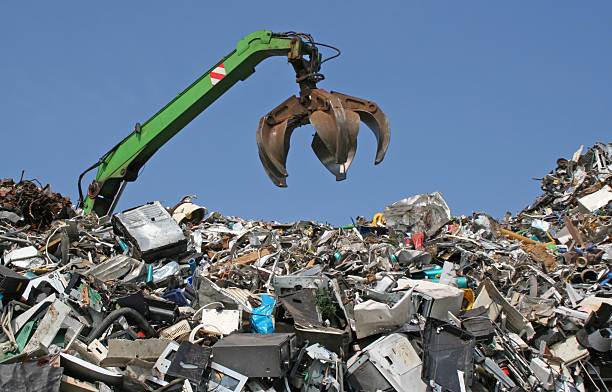
Walking into a scrapyard can look like a chaotic experience to the untrained eye. However, behind the piles of steel and copper lies a highly sophisticated system of organization. Sorting is the most critical step in the entire journey, as it determines the purity and value of the final recycled product.
Sorting Stages in Scrap Metal Recycling
The first step in any successful operation is the initial inspection. When materials arrive, they are inspected for contaminants like wood, plastic, or hazardous waste. High-quality scrap metal recycling depends on this rigorous first look to ensure that only the right materials move forward into the more technical stages of the process.
Ferrous vs. Non-Ferrous Separation
The most basic division in the world of metal is between ferrous and non-ferrous materials. Ferrous metals contain iron and are magnetic, while non-ferrous metals are not. Workers often use large industrial magnets to quickly pull steel and iron away from other materials, streamlining the workflow and ensuring each stream is processed correctly.
Advanced Identification Techniques
For metals that look similar, such as stainless steel and aluminum, more advanced methods are required. Handheld XRF (X-ray fluorescence) analyzers are often used to identify the exact chemical composition of a piece of metal. This precision allows facilities to categorize materials into specific grades, which is essential for specialized manufacturing needs.
Why Classification Matters
Classification isn't just about organization; it’s about economics and quality control. Different alloys have different melting points and properties. If a batch of copper is contaminated with even a small amount of aluminum, the structural integrity of the resulting recycled product could be compromised. This is why professional sorting is non-negotiable.
Handling Specialized Automotive Parts
Cars are a treasure trove of various metals. From lead-acid batteries to catalytic converters containing precious metals, the sorting process for auto parts is highly detailed. Each component must be stripped and categorized separately to maximize the recovery of valuable elements and ensure that hazardous materials are disposed of according to safety regulations.
The Importance of Cleanliness
Grease, paint, and insulation can all affect the quality of recycled metal. During the sorting process, insulated copper wire is often sent through a "stripper" to remove the plastic coating. Ensuring the metal is as clean as possible before it reaches the furnace results in a higher-grade end product that can be used in high-tech applications.
Logistics and On-Site Sorting
For large-scale industrial clients, sorting often begins at the source. Providing various containers like drums and bins allows businesses to separate their scrap as they work. This pre-sorting saves time at the recycling facility and often results in higher payouts for the client, as the labor-intensive sorting work is already partially completed.
Using the Right Containers
Different types of scrap require different storage solutions. Heavy structural steel might require a large roll-off container, while smaller brass fittings are better suited for drums. Having a variety of container options ensures that the metal is stored safely and can be transported without loss or contamination during the journey to the facility.
Transparent Weighing Procedures
Once sorted, the metal is weighed on certified scales. Transparency at this stage is vital for building trust. By seeing the weights and classifications clearly, clients can be confident they are receiving a fair market price for their materials. This clarity makes the entire experience straightforward and rewarding for both the provider and the customer.
Conclusion
In conclusion, the sorting process is a blend of simple physics and high-tech analysis. By carefully separating and classifying materials, recycling facilities turn piles of junk into valuable raw materials. This meticulous attention to detail ensures that the recycling loop remains efficient, profitable, and environmentally sound for everyone involved in the cycle.